GCash IPO: Should You Invest?
GCash is going public.
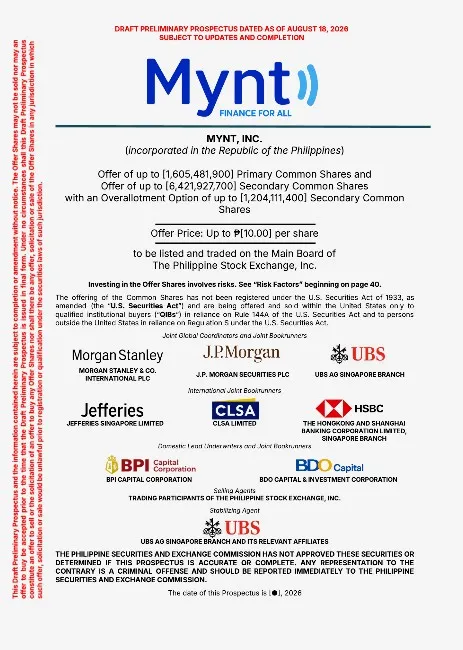
Mynt Inc., the parent company of GCash, is preparing to list on the Philippine Stock Exchange under the ticker GCASH, with the offer period scheduled for October 6–12, 2026 and a tentative listing date of October 20, 2026.
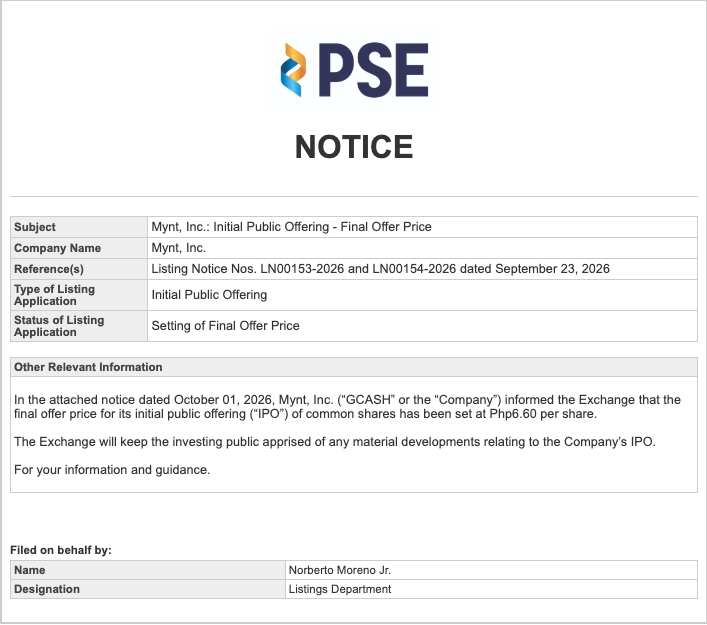
The maximum offer price is ₱10 per share, while the final offer price is expected to be determined on October 1 following the bookbuilding process.
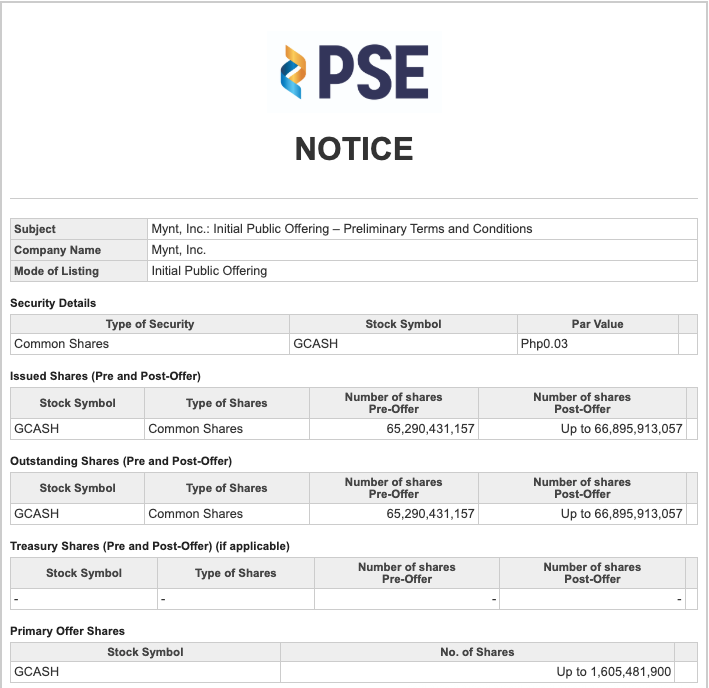
At the maximum offer price, the firm offering consists of approximately 8.03 billion shares, potentially raising about ₱80.27 billion. If the 1.20 billion-share overallotment option is fully exercised, the total transaction could reach approximately ₱92.3 billion—which would make it the largest IPO in Philippine stock-market history.
But there's an important detail that investors shouldn't overlook.
Of the 8.03 billion firm offer shares, approximately 1.61 billion are primary shares, while 6.42 billion are secondary shares. In other words, roughly 20% of the firm offer represents new capital for Mynt, while about 80% represents existing shareholders selling shares.
At the maximum ₱10 price, Mynt would receive approximately ₱16.05 billion from the primary offering—not the entire ₱92.3 billion headline figure.
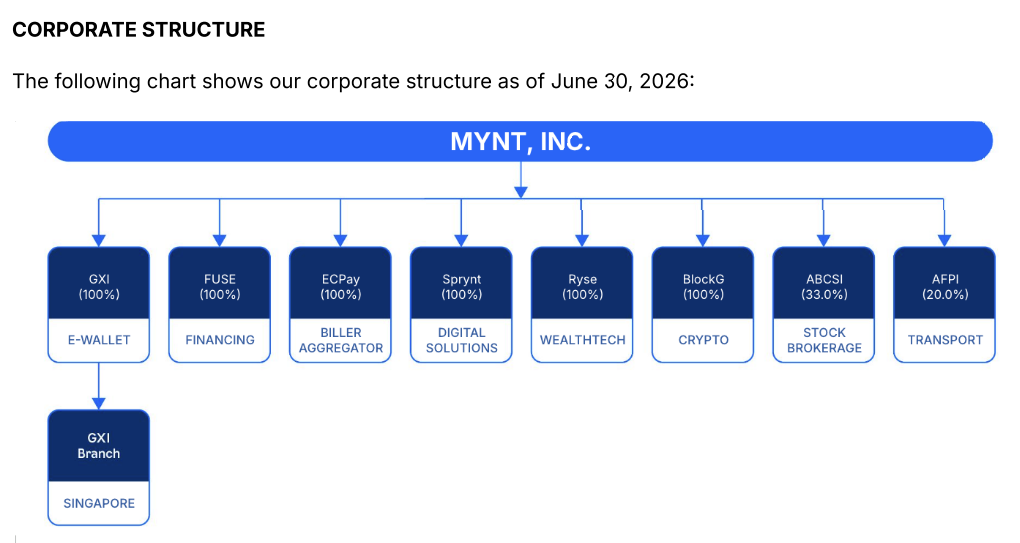
GCash is unquestionably a major Philippine consumer brand. It reported 41.5 million monthly active users as of June 2026, while Mynt has expanded beyond payments into lending, savings, investments, insurance and other financial services.
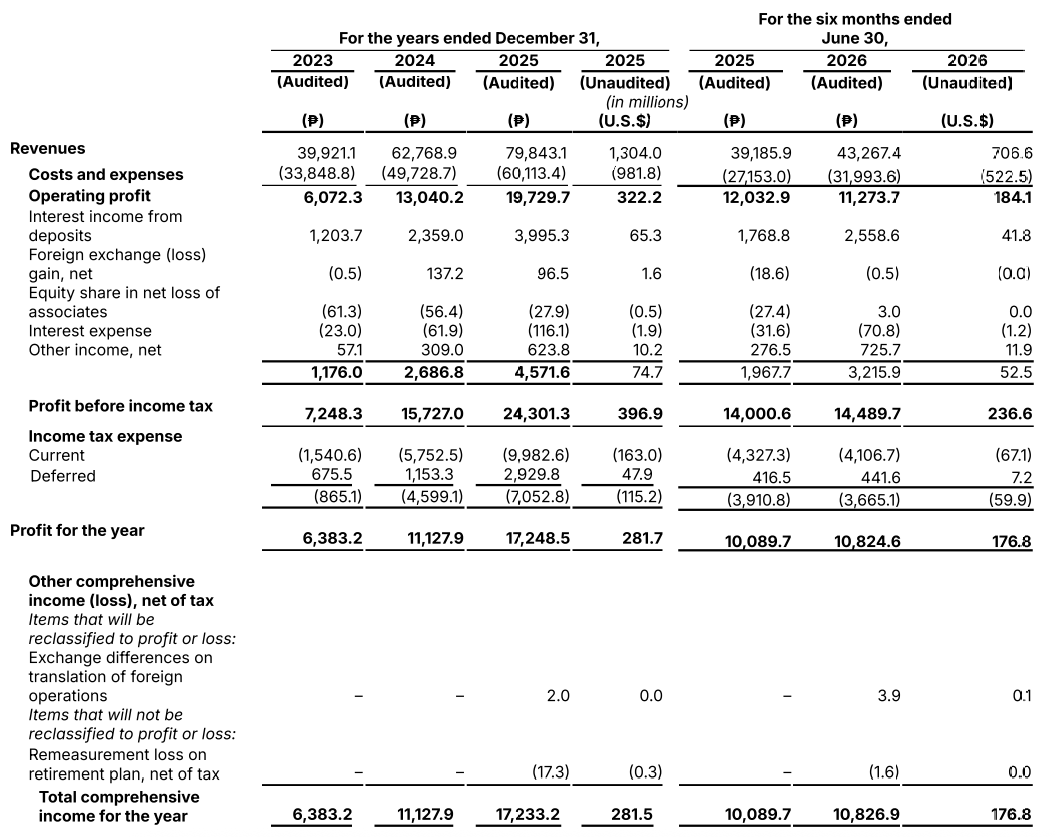
Mynt is also already profitable. Net income increased from approximately ₱6.38 billion in 2023 to ₱17.25 billion in 2025, although first-half 2026 earnings growth was more moderate.
So the investment question is: "What price are investors being asked to pay for that company?"
At the maximum ₱10 offer price, Mynt's implied post-IPO market capitalization is approximately ₱669 billion. Against 2025 net income of ₱17.25 billion, that represents roughly 39 times 2025 earnings.
That doesn't automatically make the IPO expensive—or cheap.
It simply means investors need to determine whether Mynt's future earnings growth, competitive position and expansion into digital financial services are sufficient to justify the valuation.
And that's where the real GCash IPO debate begins.
The Bull Case: Why Investors Are Interested
1. A powerful consumer brand
GCash has become deeply integrated into the financial lives of millions of Filipinos.
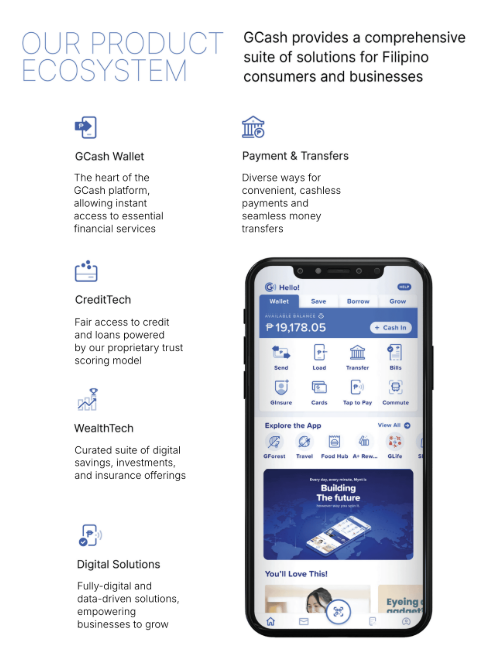
It started primarily as a mobile wallet, but its ecosystem has expanded into payments, money transfers, remittances, savings, investments, insurance and credit.
The company reported approximately 41.5 million monthly active users as of June 2026.
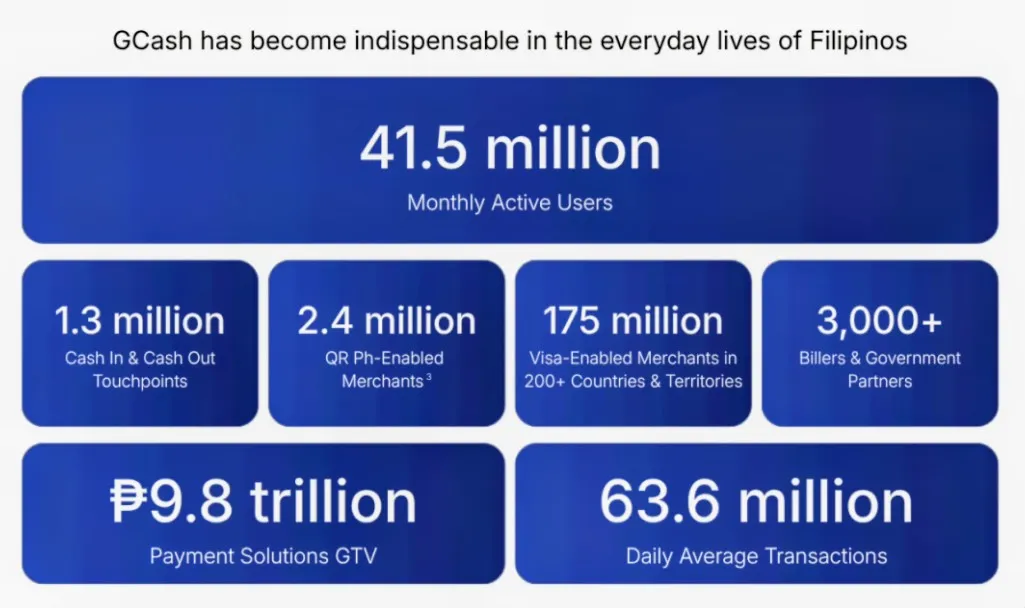
For an investor, however, the more important question isn't simply how many people use GCash. It's how effectively Mynt can monetize those users.
If Mynt can continue increasing the number of financial products used by each customer, its growth could come from deeper monetization rather than simply acquiring more users.
2. Mynt is already making a mint
One of the major differences between Mynt and many technology companies that go public is that Mynt isn't selling investors solely on a future profitability story.
The company is already generating significant earnings.
Net income increased from approximately:
Year | Net Income |
|---|---|
2023 | ₱6.38 billion |
2024 | ₱11.13 billion |
2025 | ₱17.25 billion |
This represents substantial growth over a relatively short period.
However, investors should also look at the rate of growth.
First-half 2026 net income was reported at approximately ₱10.82 billion, representing around 7.3% year-on-year growth.
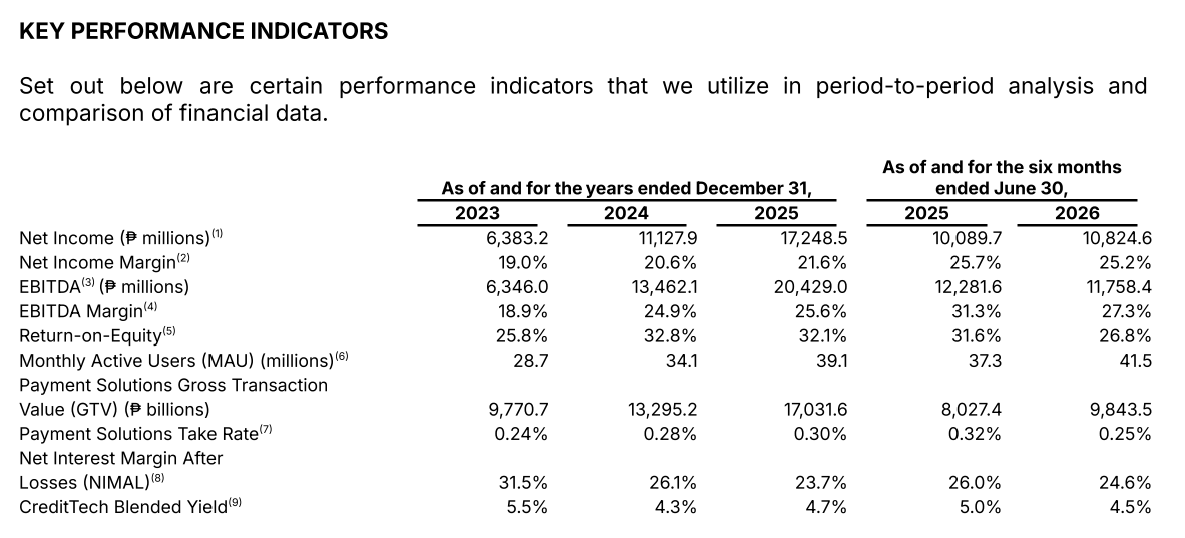
This doesn't necessarily mean the growth story is over.
But it does mean investors should not simply extrapolate the rapid earnings growth of 2023 to 2025 indefinitely.
The valuation requires investors to think about future earnings, not just historical earnings.
3. A large digital-finance opportunity
The Philippines remains a market where digital financial services have significant room for expansion.
Cashless payments, digital banking, online commerce and mobile financial services continue to change how Filipinos transact.
GCash is positioned directly in the middle of this transition.
GCash is becoming a robust Finance Super App, a financial-services platform with wide-range of financial products and solutions.
The success of that strategy, however, depends on execution.
4. Expansion beyond the wallet
A mature e-wallet business can face limits if its primary revenue sources remain transaction-related.
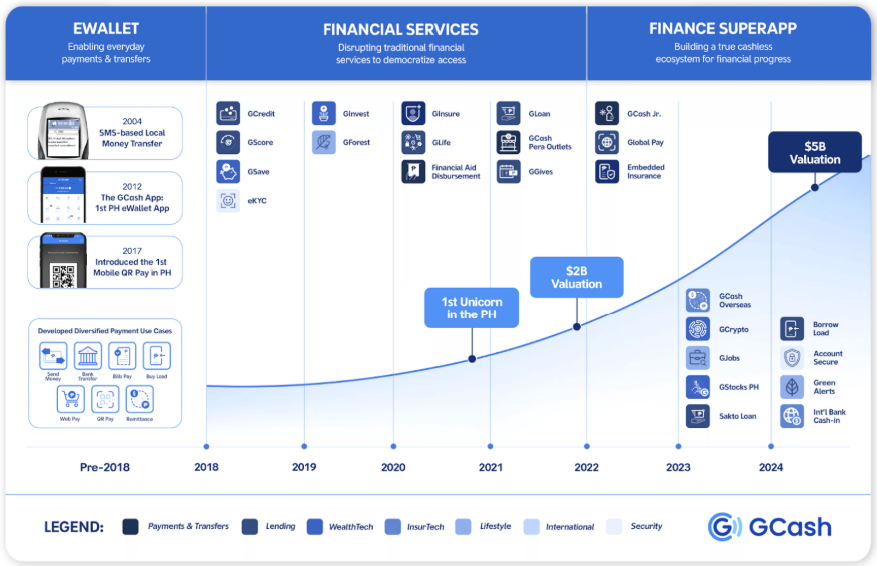
Financial products provide opportunities to increase revenue per customer.
Every additional service potentially creates another source of revenue.
This is why investors should watch the development of GCash's broader financial ecosystem, rather than focusing exclusively on wallet users.
Proceeds from the primary shares are intended for digital financial-services growth, product development, and general corporate purposes.
5. The lending business creates another growth engine
As of June 2026, GCash reported approximately ₱451 billion in cumulative lending to more than 11.5 million unique borrowers.
This creates significant potential for revenue growth. But it also introduces a different type of risk.
When a company moves deeper into lending, growth in loans is only one part of the equation. Rapid loan growth can look attractive on the surface, but deteriorating credit quality can eventually affect profitability.
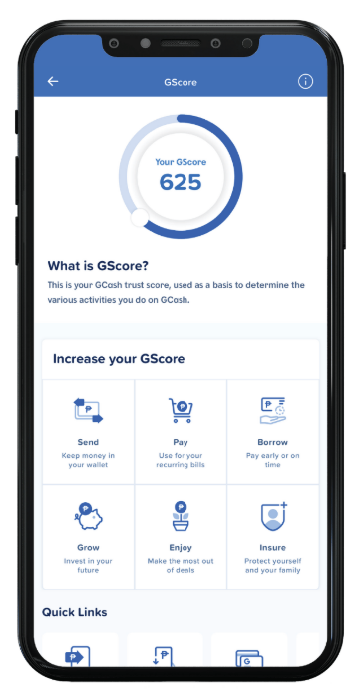
Therefore, as Mynt expands its lending business, credit quality deserve as much concurrent attention. Know your customer (KYC) initiatives and data-driven credit access thru GScore are steps toward ensuring positive credit quality.
6. Strategic shareholder base
What makes Mynt particularly interesting from a corporate-strategy perspective is the combination of Philippine corporate leadership and international strategic partners.
Its shareholder ecosystem includes:
Globe Telecom—telecommunications and digital ecosystem
Ayala Corporation—Philippine conglomerate and long-term investor
Ant Group (Alibaba)—global fintech expertise
MUFG—international banking and financial-services expertise
Mitsubishi Corporation—global business network and cross-industry capabilities
The partnerships also continue to develop. In 2026, Mynt announced strategic agreements involving Ayala, Mitsubishi, and MUFG aimed at expanding GCash's financial services, cross-border capabilities, and international opportunities.
The presence of these strategic shareholders provides important context for understanding Mynt's corporate structure and growth strategy.
None of these major stakeholders is relinquishing their shares in the IPO. This signals leadership and management continuity.
However, it is important not to confuse strategic shareholder participation with a guarantee of future performance.
7. Strong investor interest
The IPO has attracted considerable attention from institutional investors.
Mynt has reported commitments from more than 20 global and local cornerstone investors. This is significant because institutional participation can provide an indication of the level of market interest and confidence in the transaction.
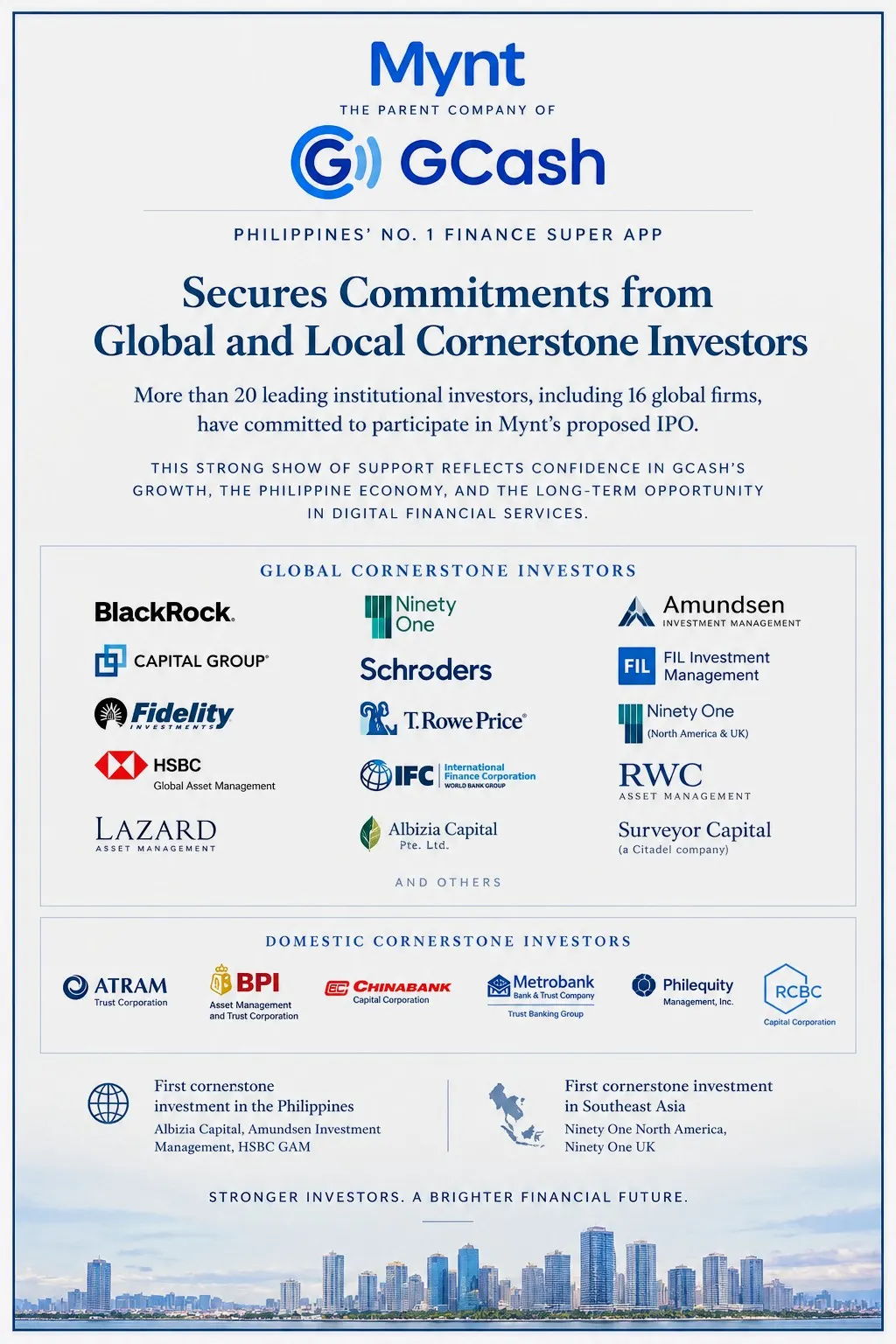
However, cornerstone participation should not be interpreted as proof that the IPO is attractively valued. Institutional investors have different investment mandates, time horizons and portfolio objectives.
The more useful question for individual investors remains: At the final IPO price, does the company's expected future performance justify the valuation?
The Bear Case: What Could Go Wrong?
A strong company can still be a poor investment if the price paid is too high. That is the central risk investors should consider.
1. The IPO structure
Approximately 80% of the firm offering consists of secondary shares.
That means the majority of the shares being offered are sold by current shareholders rather than newly issued shares.
At the maximum ₱10 price:
Shares | Count | Value |
|---|---|---|
Primary shares | 1.605 billion | ₱16.05 billion |
Secondary shares | 6.422 billion | ₱64.22 billion |
Overallotment | 1.204 billion | ₱12.04 billion |
TOTAL | 9.231 billion | ₱92.31 billion |
The overallotment is also secondary.
Therefore, if fully exercised, approximately ₱76.26 billion of the transaction proceeds would go to selling shareholders, while approximately ₱16.05 billion would go to Mynt.
That's not necessarily a negative. Early investors are naturally entitled to realize gains.
But investors should understand exactly what they're buying.
The IPO headline may be worth more than ₱90 billion, but Mynt itself is raising only a fraction of that amount.
Investors should therefore examine exactly how the primary proceeds will be deployed and what return those investments are expected to generate.
2. Valuation
This is arguably the biggest issue.
At the maximum IPO price of ₱10, Mynt's implied post-IPO market capitalization is approximately: ₱669 billion.
Compare that with 2025 net income of approximately: ₱17.25 billion.
That produces an approximate: 38.8× price-to-earnings multiple.
In simple terms, investors would be paying almost 39 times 2025 earnings at the maximum IPO price.
But the IPO price has not yet been finalized.
If the final price is substantially below ₱10, the implied valuation and earnings multiple would also fall.
For illustration:
IPO Price | Approx. Market Cap | Approx. P/E based on 2025 earnings |
|---|---|---|
₱10.00 | ₱669B | 38.8× |
₱8.00 | ₱535B | 31.0× |
₱7.00 | ₱468B | 27.1× |
₱6.50 | ₱435B | 25.2× |
₱6.00 | ₱401B | 23.2× |
These are approximate calculations using the implied share count and 2025 net income.
This illustrates an important principle:
The company doesn't change—but the investment proposition does when the price changes.
A lower IPO price means investors are paying less for each peso of current earnings.
A higher IPO price requires stronger future growth to justify the valuation.
3. Earnings growth may moderate
Mynt's historical earnings growth has been impressive.
But investors should be cautious about assuming that the same growth rate will continue indefinitely.
As companies scale, maintaining extremely high growth rates becomes more difficult.
The question therefore becomes: Can Mynt continue growing earnings fast enough to support its valuation?
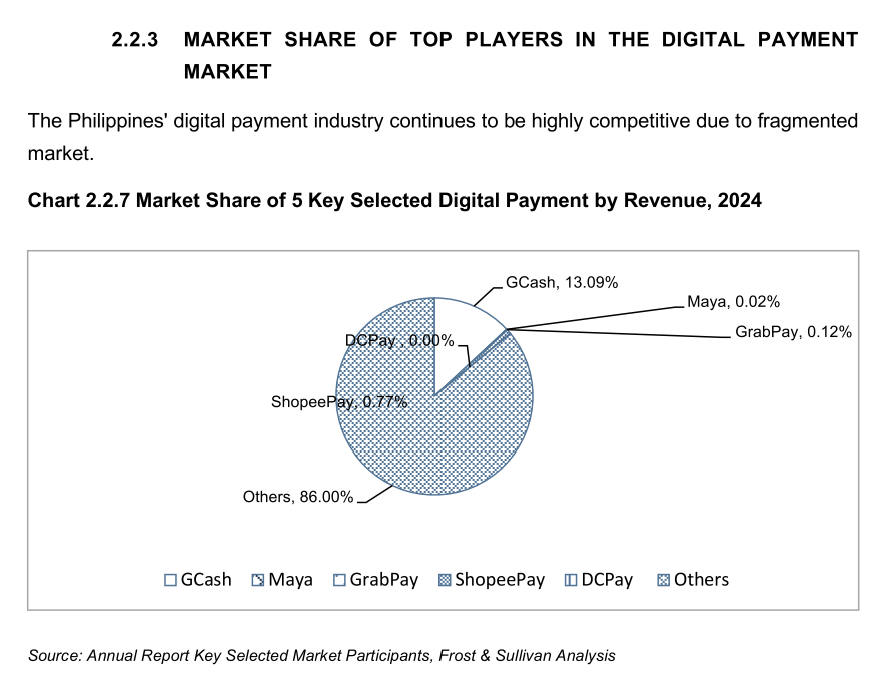
4. Competition is increasing
The Philippine digital-finance market includes banks, digital banks, e-wallets, payment companies and fintech platforms.
Maya is particularly relevant because it combines an e-wallet ecosystem with digital banking and has indicated plans for a potential 2027 IPO.
Competition could affect customer acquisition costs, transaction fees, lending rates, deposit rates, merchant pricing, product development, employee costs, and technology spending.
GCash's current market position is valuable. But investors should not assume that today's competitive position will automatically remain unchanged for the next decade.
5. Credit risk
The expansion of lending creates an important new risk.
When a company has a large lending portfolio, profitability can be affected by changes in borrower quality, delinquency rates, defaults, collection efficiency, and interest rates.
This is particularly important because lending can make earnings appear stronger during periods of rapid portfolio expansion, while credit losses may emerge later.
Investors should therefore watch credit quality, not just loan growth.
6. Regulatory risk
Financial technology companies operate in highly regulated industries.
Mynt's businesses can be affected by regulations covering electronic payments, lending, consumer protection, data privacy, cybersecurity, anti-money laundering, financial reporting, digital banking, and taxation.
Regulation can increase compliance costs or change the economics of particular products.
For a company operating across several financial categories, regulatory risk becomes increasingly important as the ecosystem expands.
7. Cybersecurity and fraud
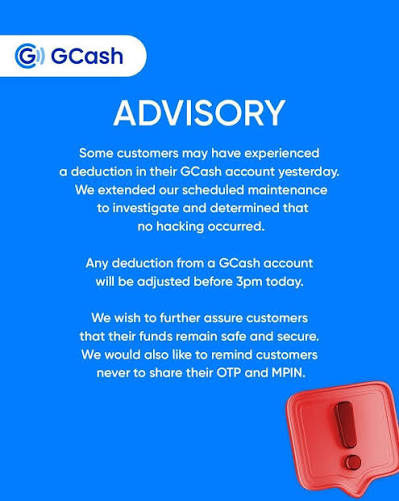
The larger the platform becomes, the more attractive it can become to fraudsters and cybercriminals.
GCash handles millions of financial transactions and holds sensitive customer information. Potential cybersecurity incidents, fraud or system outages could create financial losses or reputational damage.
For a financial technology company, trust is an important asset. Maintaining that trust requires continued investment in cybersecurity and fraud prevention.
8. IPO and post-listing volatility
An IPO price is not a guarantee of the price investors will receive after listing.
Once GCASH begins trading publicly, the market will determine its price based on supply and demand. The relatively small public float may also contribute to price volatility.
According to the latest PSE terms, the estimated public float is approximately 12.06% without the overallotment and up to 13.86% if the overallotment is fully exercised.
A relatively limited float means investors should not assume that the IPO price will necessarily remain stable after listing.
What Should Investors Watch Before the IPO?
Before making an investment decision, investors should examine the final prospectus and pay particular attention to several numbers.
1. Final IPO price
This determines the valuation you are actually paying. Don't analyze the company based solely on the ₱10 maximum if the final price is different.
2. Price-to-earnings ratio
Calculate the implied P/E using the latest available earnings. What earnings growth would Mynt need to achieve to justify that multiple?
3. Revenue and earnings growth
Don't look only at absolute earnings. A company growing earnings rapidly can potentially justify a higher valuation. A company with slowing growth requires a different valuation framework.
4. Use of IPO proceeds
Approximately ₱16.05 billion of the firm offering at ₱10 would go to Mynt. Investors should follow where that capital goes. Capital allocation will become an increasingly important part of the public company story.
A Practical Investment Framework
Consider asking these five questions.
Question 1: What am I paying?
Determine the final IPO price and calculate the implied valuation.
Question 2: What am I getting?
Look at earnings, cash flows, growth, assets and the company's competitive position.
Question 3: What has to go right?
For example: continued user growth, higher monetization, successful product expansion, controlled credit losses, sustainable margins.
Question 4: What could go wrong?
Consider competition, regulation, cybersecurity, losses, slower earnings growth, valuation compression and other potential risks.
Question 5: How much of my portfolio should this represent?
Even if an investor has high conviction in a company, concentrating too much capital in one stock can materially increase portfolio risk. The IPO should therefore be considered within the context of the investor's overall portfolio.
IPO Strategy: A Staggered Approach
For investors who decide to participate, there are different ways to think about the investment.
Approach 1: IPO allocation
Subscribe for an amount that fits within your predetermined portfolio allocation. The key is to determine the position size before the excitement of the IPO takes over. Make the decision ahead of time; before your emotion goes rampant in the IPO hype.
Approach 2: Wait for the listing
Another approach is to allow the stock to begin trading and observe how the market values the company. This means giving up the certainty of receiving the IPO price, but it also provides additional information about market demand and post-listing valuation. Then, perform cost averaging from there.
Approach 3: Gradual accumulation
Instead of making one large investment, an investor could build a position gradually over time while monitoring earnings, valuation, lending quality, competitive position, and management execution.
For example, suppose you ultimately wanted ₱100,000 of GCASH exposure. Instead of investing ₱100,000 on IPO day, you could conceptually structure it as: ₱30k on IPO, ₱30k after price discovery, and ₱40k after subsequent earnings confirmation. This is a way to reduce entry-price risk.
The important principle is not that one strategy is universally better. It is that the strategy should match the investor's investment goals, time horizon, liquidity needs and risk tolerance.
Is GCash a Good Business or a Good Stock?
These are two different questions.
GCash can be an excellent business while the stock is unattractive at a particular price.
Likewise, a company with temporary challenges can potentially become an attractive investment if its valuation reflects those challenges.
That's why investors should separate business quality from investment valuation.
GCash's brand, user base and ecosystem are business-quality considerations.
The IPO price, P/E ratio and expected earnings growth are investment-valuation considerations.
Confusing the two can lead investors to overpay for a good company.
In Summary
The GCash IPO is an important event for the Philippine stock market.
It gives public-market investors access to Mynt, one of the country's most prominent digital-finance companies, and potentially one of the largest IPOs in Philippine history.
The investment case has several compelling elements:
A large customer base.
A powerful consumer brand.
A broadening financial ecosystem.
Significant profitability.
Expansion into lending and other financial services.
But there are also meaningful risks:
A potentially demanding valuation.
Moderating earnings growth.
Increasing competition.
Credit risk, regulatory and cybersecurity risks.
A relatively small public float.
And perhaps most importantly, the majority of the IPO shares are secondary shares rather than new capital for Mynt.
Ultimately, the most important number is the price you pay for each peso of future earnings.
If the final IPO price is significantly below the ₱10 maximum, the valuation will look materially different.
If it approaches the maximum price, investors will need to consider whether Mynt can deliver enough future earnings growth to justify the premium valuation.
So rather than asking:
"Is GCash worth buying?"
A more useful question is:
"At the final IPO price, what expectations am I paying for—and am I comfortable with the risks required to achieve them?"
That is the question every investor should answer for themselves before clicking Subscribe.
Study the final prospectus.
Check the valuation.
Understand the risks.
Determine your position size.
And most importantly:
Do due diligence. Don't buy the hype.
References:
Investing involves risk. Past growth does not guarantee future performance. The final IPO price, prospectus, financial results, market conditions and your personal circumstances and risk tolerance should be considered before investing. This article is for educational purposes only and is not personalized investment advice. The final IPO price and terms may change before the offering.